The Role of Intelligent Sensor Data Processing in Modern Technology
In today’s technologically advanced world, intelligent sensor data processing has become a cornerstone in enhancing various systems’ efficiency and effectiveness. These sensors, equipped with sophisticated processing capabilities, are transforming how data is gathered and utilized. From smart cities to healthcare systems, the deployment of such sensors is improving decision-making processes by providing real-time insights and analytics. The adoption of intelligent sensor data processing enables streamlined operations and optimizes resource management, significantly impacting societal advancement.
Read Now : Cohesive Brand Messaging Integration
The integration of intelligent sensor data processing techniques can be observed in various domains like environmental monitoring, where it aids in assessing air quality and predicting weather patterns more accurately. Furthermore, in the automotive industry, this technology is being utilized in the development of autonomous vehicles, ensuring both the safety and convenience of commuters. Through intelligent sensor data processing, vehicles can analyze road conditions, detect obstacles, and make instantaneous decisions, paving the way for the future of transportation.
However, as with any technology, there are challenges to address, such as data security and privacy concerns. Ensuring that the data processed and transmitted remains confidential is crucial to maintaining users’ trust. Therefore, developing robust security measures is vital in harnessing the full potential of intelligent sensor data processing while safeguarding sensitive information. By tackling these challenges proactively, industries can continue to rely on intelligent sensors for achieving smarter and more responsive technological environments.
Key Features of Intelligent Sensor Data Processing
Intelligent sensor data processing is characterized by its ability to handle vast data volumes efficiently. It enables real-time data analytics, which is crucial for timely decision-making in various applications.
Another important feature is adaptability. Intelligent sensors can learn from the data they process, improving accuracy and performance over time as they encounter diverse datasets.
Energy efficiency is a crucial aspect of intelligent sensor data processing. Sensors designed to process data intelligently often employ energy-saving techniques, extending their operational lifespan.
Interconnectivity is enhanced through intelligent sensor data processing. It facilitates seamless communication between devices, creating a network of interconnected systems that work harmoniously.
Lastly, intelligent sensor data processing allows for enhanced data accuracy. Advanced algorithms and machine learning models contribute to minimizing errors and improving the quality of insights derived from the data.
Applications of Intelligent Sensor Data Processing
Intelligent sensor data processing has a wide range of applications that span various fields. In healthcare, for instance, sensors are employed to monitor patient vitals, alerting medical professionals to any anomalies in real time. This not only helps in providing immediate care but also assists in long-term health management. Similarly, in industrial sectors, sensors deployed in machinery can predict failures or maintenance needs, allowing for proactive maintenance strategies that minimize downtime and enhance productivity.
In smart cities, intelligent sensor data processing plays a critical role in optimizing traffic management and energy usage. Sensors installed on roads and within infrastructure can gather data on vehicular flows, informing traffic light patterns to minimize congestion. Likewise, energy consumption in buildings is monitored and regulated through sensors, ensuring efficient resource use that benefits both the environment and citizens’ quality of life. These are just a few instances that highlight the transformative impact of intelligent sensors, underscoring their importance in modern society.
Embracing this technology, organizations and governments can manage resources more effectively, identify potential issues before they manifest, and create a more sustainable future. As research in this domain advances, we can expect wider implementation and even more innovative applications of intelligent sensor data processing, further improving traditional systems.
Challenges in Intelligent Sensor Data Processing
Data Privacy and Security Concerns
One of the primary challenges facing intelligent sensor data processing is ensuring data privacy and security. As sensors collect vast amounts of sensitive information, safeguarding this data against unauthorized access becomes crucial.
Handling Massive Data Volumes
Intelligent sensor data processing must contend with the challenge of processing and analyzing petabytes of data. Efficient algorithms are needed to handle such volumes without compromising speed and accuracy.
Integration with Existing Systems
Integrating intelligent sensor data processing systems with legacy infrastructure can be complex. Solutions need to be adaptable and compatible to ensure seamless transitions.
Power Consumption Issues
Balancing sensor performance with power consumption is essential. Overcoming this requires designing energy-efficient sensors that do not compromise data processing capabilities.
Real-Time Processing Demands
Real-time data processing is critical in many applications, yet challenging to achieve consistently. Optimizing algorithms for speed without losing precision is a continuous pursuit.
Read Now : Affordable Custom Design Services
Ensuring Data Accuracy
Maintaining high data accuracy is a constant challenge. Improving sensor calibration techniques and deploying advanced error-detection algorithms are vital steps in resolving this.
Environmental Impact of Sensor Deployment
The environmental impact of widespread sensor deployment cannot be overlooked. It is essential to develop eco-friendly sensors to mitigate any negative effects.
Scalability Issues
As sensor applications expand, scalability becomes a pressing concern. Intelligent sensor data processing systems must be designed to grow and accommodate future demands efficiently.
Maintenance and Upkeep
Regular maintenance is indispensable to prevent malfunctions in intelligent sensor networks, which can be time-consuming and costly.
Adapting to Technological Advances
Keeping pace with rapid technological advancements is a necessity. Continuous learning and adaptation are required for intelligent sensor data processing to stay relevant.
Future Prospects of Intelligent Sensor Data Processing
The future of intelligent sensor data processing holds promising advancements. The integration of artificial intelligence (AI) with sensor data is expected to revolutionize system capabilities, offering even smarter insights and automated decision-making processes. This fusion of technologies is likely to lead to the development of self-optimizing networks, where sensors can autonomously adjust and improve their performance based on the data they acquire and analyze. Opportunities in edge computing also promise to expand intelligent sensor capabilities by providing faster data processing closer to the data source, reducing latency and improving efficiency.
Moreover, with ongoing research, the functionality of these systems is expected to become more robust and environmentally friendly. Innovations in energy harvesting technologies could potentially allow sensors to sustain themselves autonomously, drawing power from sources like solar or kinetic energy. This would be a significant step toward achieving sustainable sensor networks with reduced ecological footprints, aligning perfectly with global sustainability efforts.
As more sectors recognize the immense value intelligent sensor data processing brings, investment in this arena is projected to soar. Industries ranging from agriculture to urban planning are poised to benefit from enhanced data insights. Consequently, we can anticipate a future where intelligent sensors facilitate greater interconnectedness and smarter, more efficient systems. These prospects not only promise technological enhancement but also hold the potential to significantly impact economic, social, and environmental aspects positively.
Advances in Intelligent Sensor Data Processing Techniques
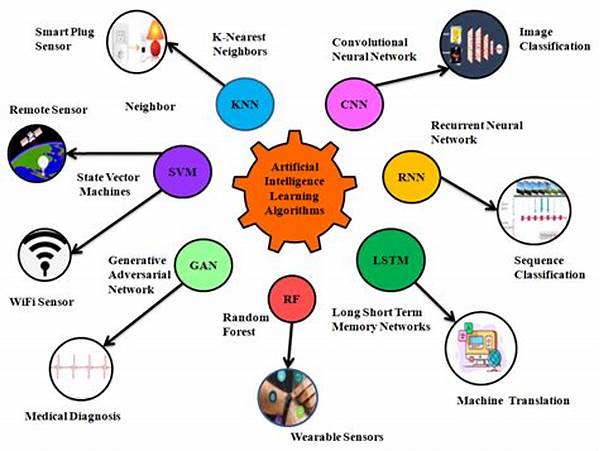
With technological advancements, new techniques in intelligent sensor data processing are continually emerging. The development of more sophisticated machine learning algorithms, for example, is enabling sensors to interpret data with increasing accuracy and make predictions with unprecedented precision. This evolution is instrumental in elevating the quality of insights gained from sensor data, ensuring that systems can preemptively respond to potential issues before they arise, thus maintaining operational continuity.
Furthermore, advancements in data compression techniques are facilitating more efficient data transfer and storage. These innovations reduce the bandwidth required, making it feasible to deploy large-scale sensor networks in areas previously viewed as less accessible due to resource constraints. For organizations, this means that the scope for deploying intelligent sensor data processing solutions has expanded, paving the way for broader adoption and application across various industries.
The role of cloud computing in intelligent sensor data processing cannot be understated. As cloud infrastructures continue to evolve, they offer robust platforms that support extensive data analysis and storage, which are essential for processing the vast amounts of data generated by sensor networks. This integration has led to more scalable and flexible sensor data processing frameworks, providing organizations with the tools they need to adapt to emerging data challenges and technological opportunities fluidly. Integrating these advancements into existing structures ensures intelligent sensor data processing remains at the forefront of innovation.
Conclusion: Intelligent Sensor Data Processing as a Technological Pillar
In summary, intelligent sensor data processing stands as a pivotal factor in propelling both current and future technological endeavors. By leveraging the power of these systems, industries can yield unprecedented operational efficiencies, propelling them toward a future defined by smarter cities, responsive healthcare systems, and safer transportation networks. However, while the transformative potential of intelligent sensor data processing is significant, it exists alongside challenges that must be addressed.
Ensuring robust security measures, maintaining data accuracy, and addressing environmental impacts require continued innovation and cooperation across multiple fields. The implementation of intelligent sensor data processing must consider these aspects to maximize the benefits it brings while minimizing any negative consequences. Collaborations between researchers, engineers, and policymakers are crucial in overcoming these hurdles and shaping a future where intelligent sensor data processing is used to its fullest potential, ultimately contributing to enhanced quality of life and sustainability worldwide.